
Maker Approval
Some shingle makers allow certain coatings and others do not. Their written guidance comes first, before any product is named.
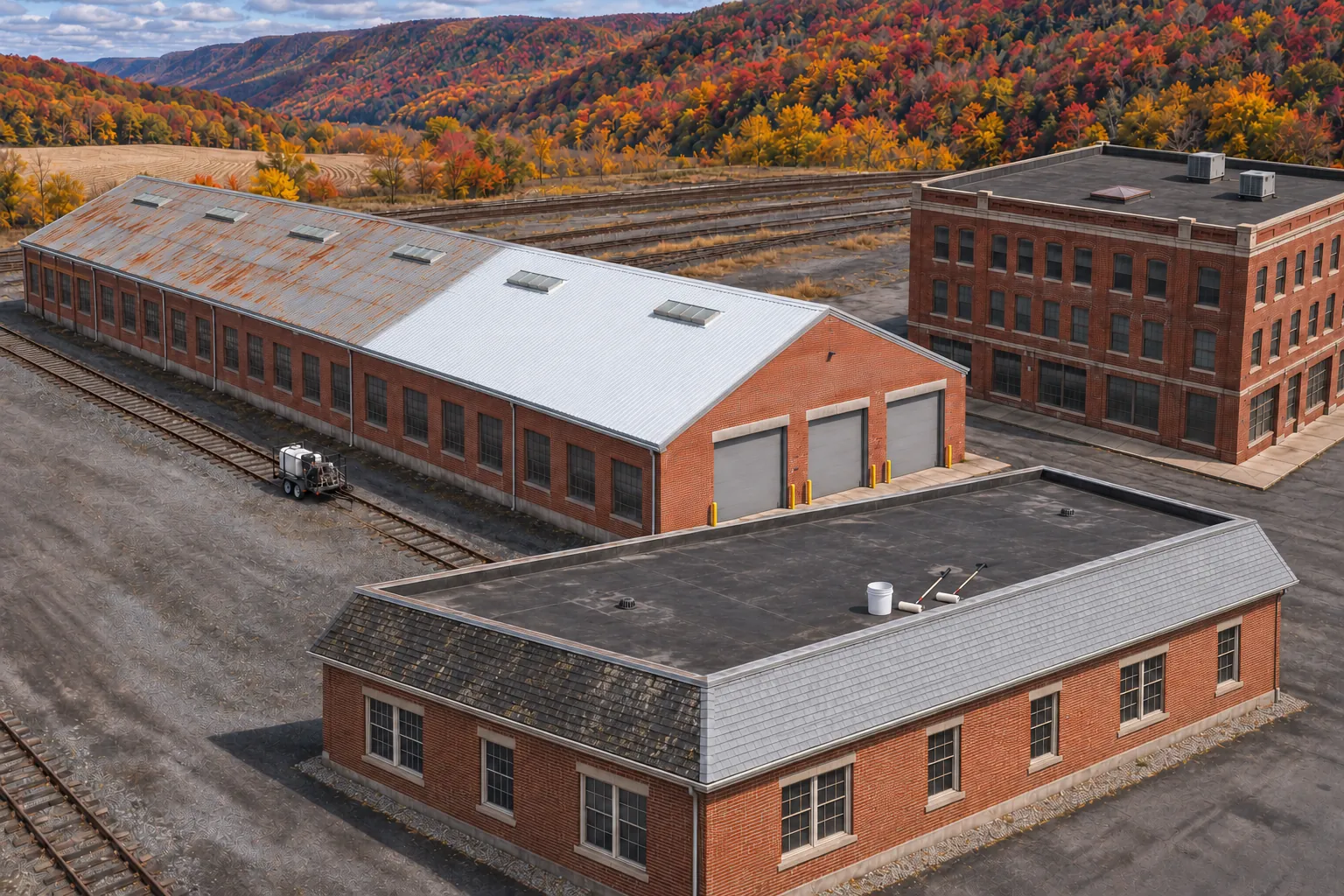
Altoona shingle roof coating is offered only where the shingle maker allows it and the tabs still lie flat, on mansards, halls, and sloped commercial roofs.
Altoona shingle roof coating has a narrow gate. Find your roof in the rows below.
| What You See | Coat After Prep | Repair, Then Coat | Reshingle Instead |
|---|---|---|---|
| Flat, well-attached tabs with some granule loss | Usually Fits | Sometimes | Rarely |
| Loose flashing at walls and edges | Sometimes | Usually Fits | Rarely |
| Brittle, curled, or cracked tabs | Rarely | Rarely | Usually Fits |
| Shingle maker forbids coatings | Rarely | Rarely | Usually Fits |
| Soft deck under the shingles | Rarely | Sometimes | Usually Fits |
Shingles are checked more strictly than metal before any coating is proposed, because a coating over failing tabs wastes the money.
Some shingle makers allow certain coatings and others do not. Their written guidance comes first, before any product is named.
Each section is checked for curled, cracked, or loose tabs. A coating cannot glue a failing shingle back down.
Step and wall flashings on mansards and parapets leak more often than the shingles, so they are repaired first.
Soft spots under the shingles point to a damp or damaged deck, which needs repair or replacement.
Bare spots and worn granules show age. Mild wear can be coated; heavy wear points toward reshingling.
Commercial shingle often covers a mansard face or a hall roof, where access and the occupied space below shape the plan.
Shingle sections end up on one of a few paths once the inspection is done, and the shingle maker's rules decide the first fork.
Approved, flat shingles get cleaned, flashings repaired, and a compatible coating applied at the maker's listed thickness. Valleys and edges get an extra pass.
A few failed tabs or leaking flashings get repaired, and the coating decision waits until the section is sound again. The flashing work alone often ends the leak.
Brittle tabs or a coating ban point to new shingles. We explain why and price the work separately. New shingles are a separate line in the proposal.
A shingle mansard around a flat roof is handled on its own, with the flat roof coated in a separate system. The joint where the mansard meets the flat roof gets new flashing.
On the right shingle section, coating protects a roof that still has life in it.
A shingle section with flat, well-attached tabs and some granule wear can take an approved coating that shields it from sun and weather. The flashings get repaired along the way, which is where most shingle leaks start.
Walls, edges, and penetrations get repaired before coating, closing the most common leak points on mansards and hall roofs.
Faded, streaked shingle faces on commercial buildings take an even color once coated, which matters on storefronts and halls.
If the shingles are past coating, you hear that early, before money goes into the wrong job, with the reasons written down.
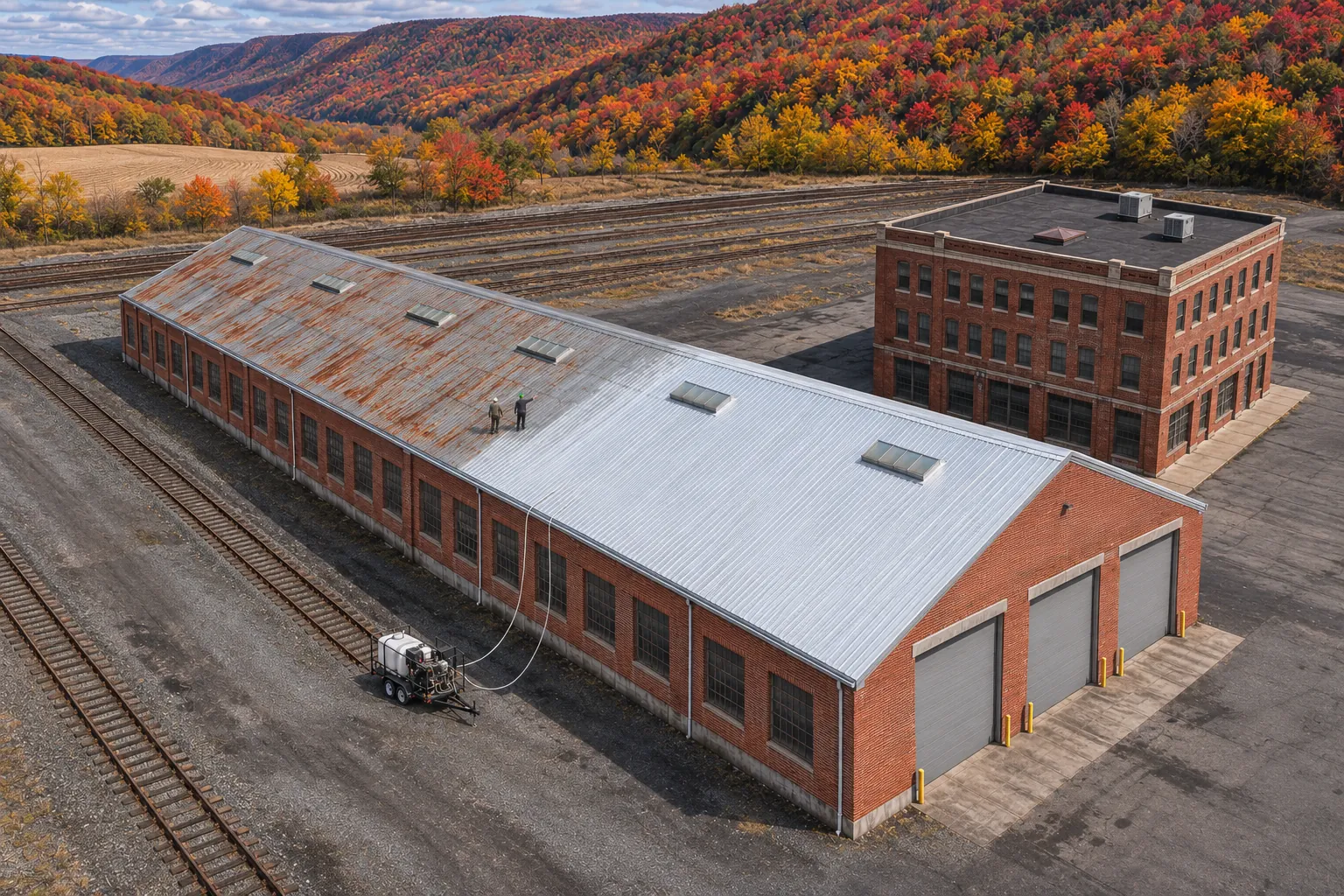
Curled tabs often mean reshingling rather than coating. Call us and we will check the section and tell you which.
Four steps, starting with whether coating is allowed at all.
We confirm the shingle maker, read its guidance on coatings, and check tabs, granules, flashing, and the deck under the section.
Loose flashings are reset or replaced, a few failed tabs are swapped, and any soft deck is repaired before coating.
The shingles are cleaned gently so the granules stay in place, then left to dry fully before coating.
The compatible product goes on at its listed thickness, with extra care at valleys, edges, and flashings.
Most buildings with shingle faces have another roof type too.
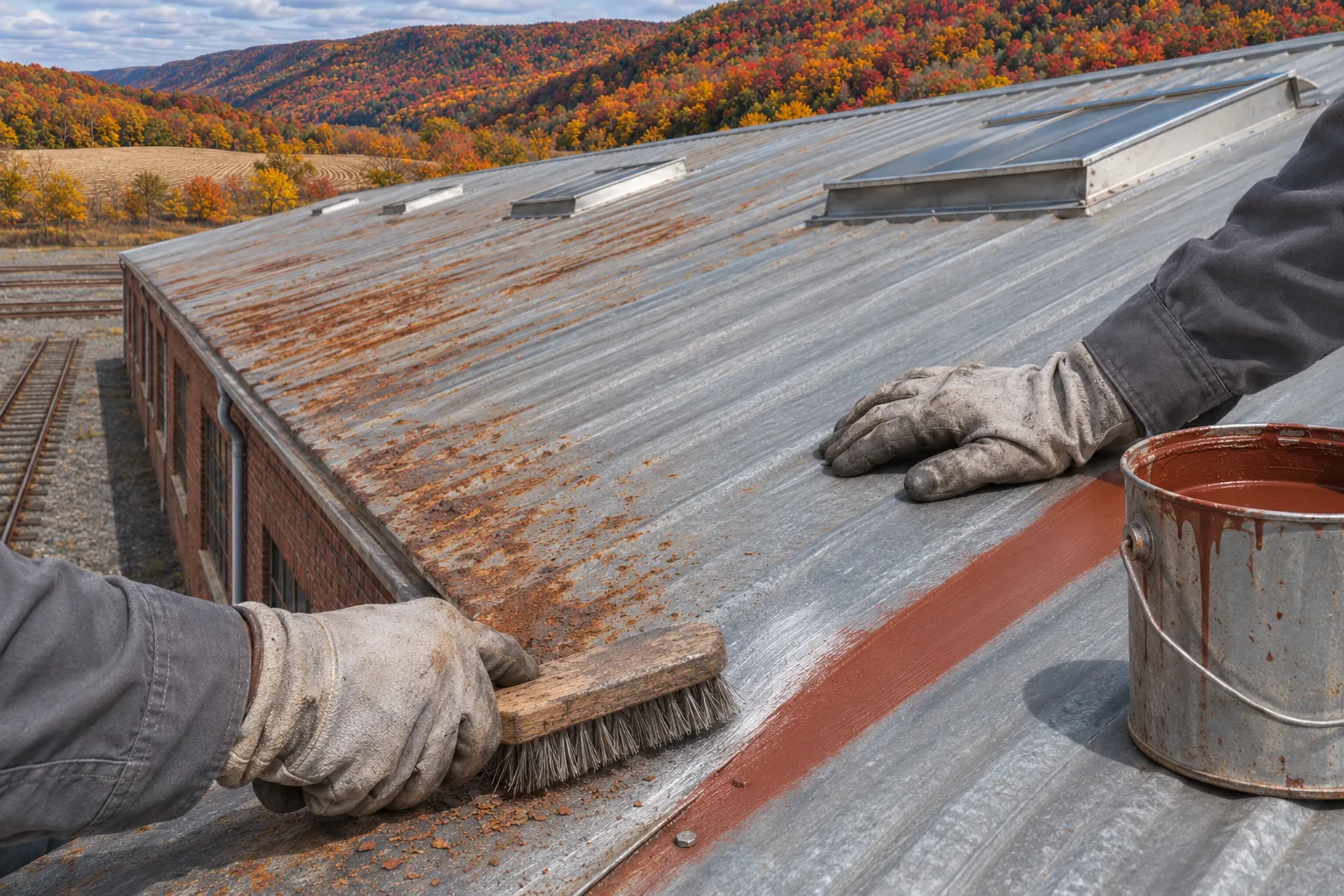
Metal sections on the same building get their screws, rust, and laps handled, then coated.
Altoona commercial metal roof coating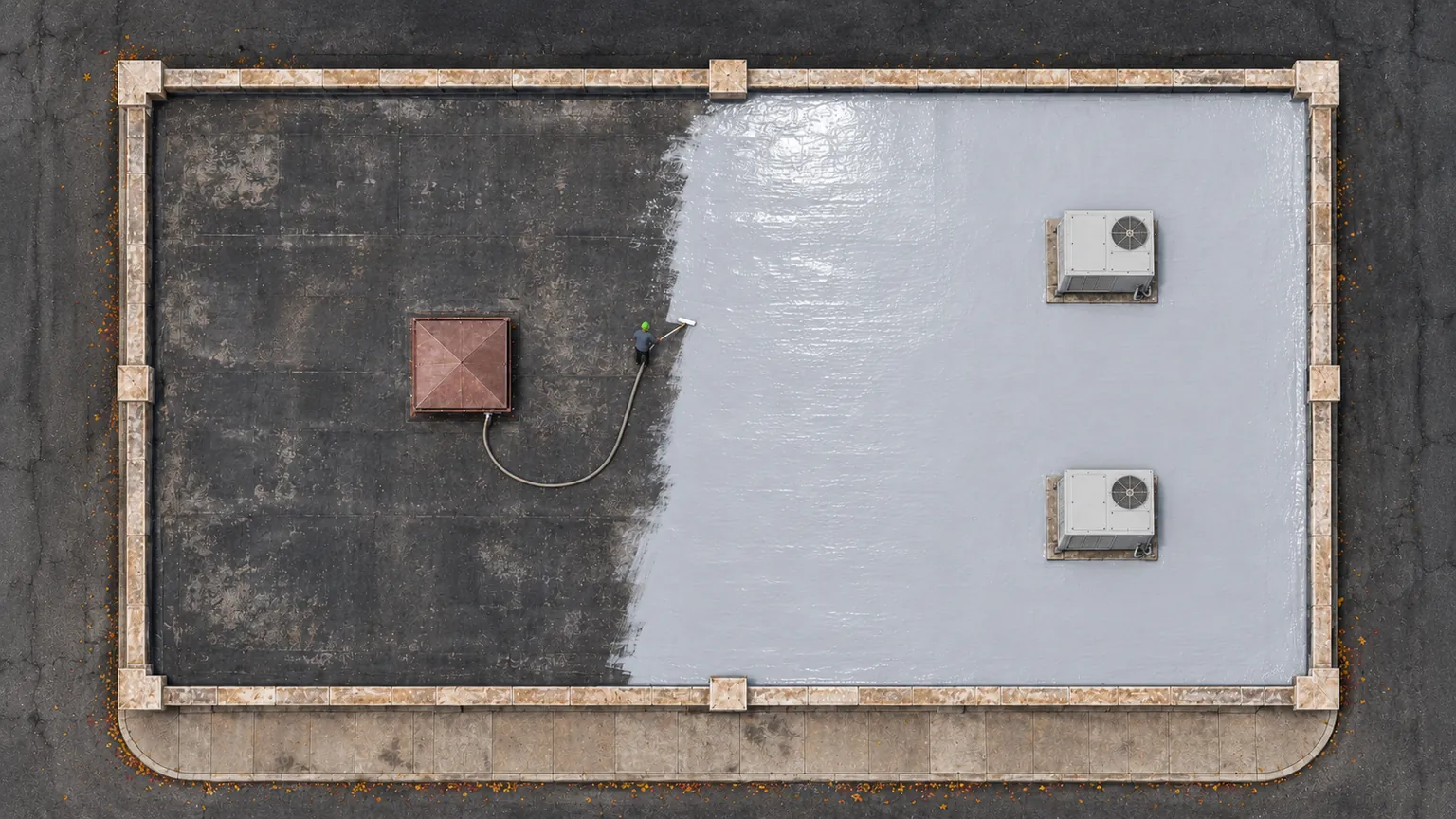
Flat roofs behind a shingle mansard can take silicone where water lingers.
Altoona silicone roof coating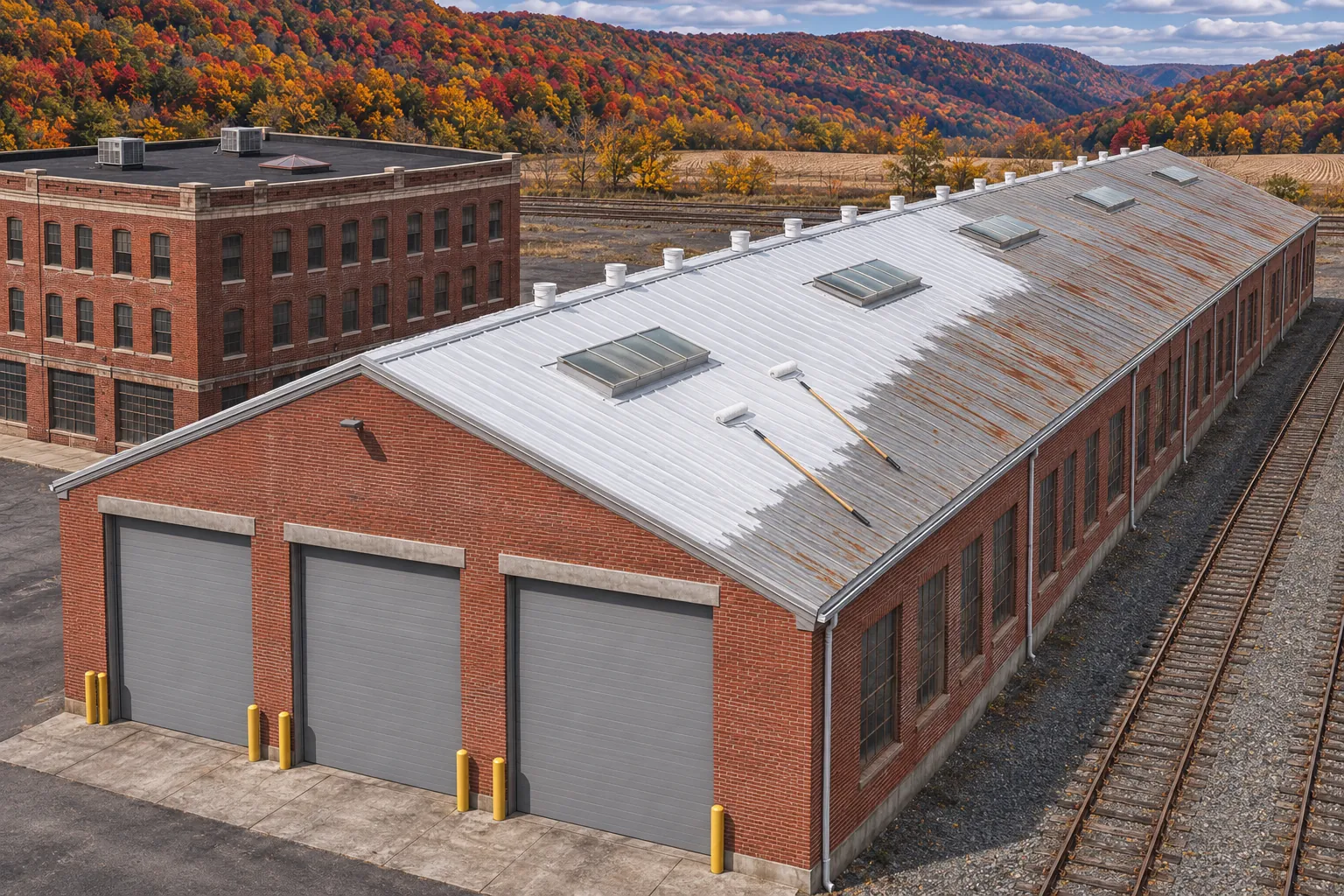
Pitched metal that drains quickly takes acrylic in dry, mild weather.
Altoona acrylic roof coating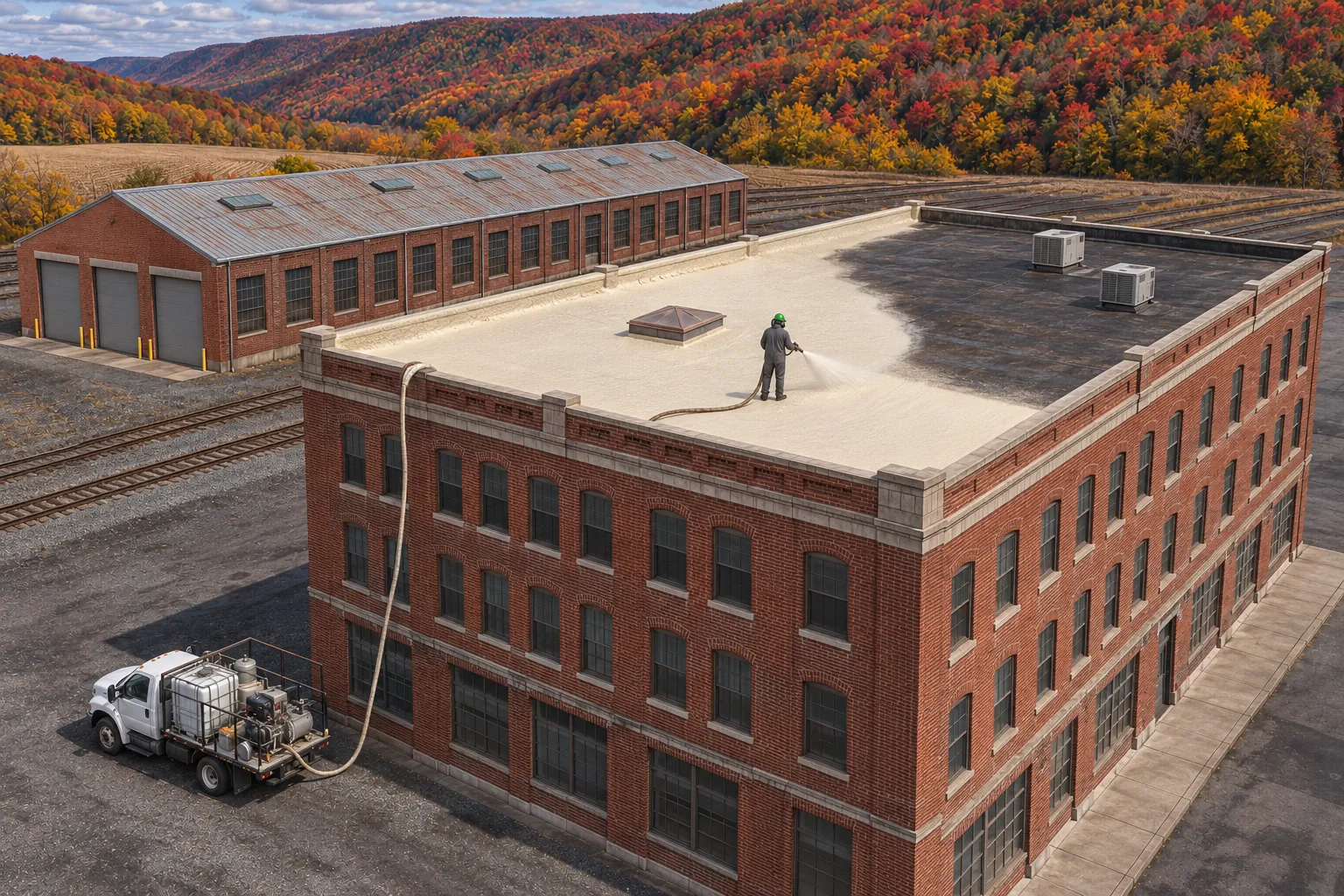
Insulation needs on a flat section call for spray foam, sealed under a topcoat.
Altoona spray foam roofingWill It Work
On the right roof, yes: flat, attached shingles from a maker that permits coating, with repaired flashing. On brittle, curled, or loose shingles it does not, and reshingling is the honest answer.
Only when the shingle maker supports that coating and the shingles are in good shape. We check the tabs, the attachment, and the flashing first. A coating label that says it works on roofs is not enough, and damaged shingles call for repair or new ones.
Flashing at walls, edges, and penetrations causes most of them. Those details are repaired whether or not the shingles end up coated.
Coat Or Reshingle
Usually, yes. Coating will not bring back flexibility or fix how the shingles are fastened. We look at how far the wear has spread and at the deck below, and the condition of those decides between repair and reshingling.
The one the shingle maker approves for that product, applied at the listed thickness. Without that approval, no coating is the right answer.
Business Roofs
Two things settle it: the shingle maker has to support the coating, and the inspection has to show shingles that can hold it. If the shingles cannot provide a stable base, the work shifts to the shingles and flashing instead of another coating.
Yes. The coating covers the granule color with an even finish, so mansard faces and hall roofs take on a new, uniform color.
Flashing repairs can go in during cooler months, while the coating waits for dry, mild weather in spring or summer. Many owners split the work that way.
Call and we will check your shingle section, or start with a ballpark range from the roof size.